
What Is Mercedes-Benz 4MATIC®? AWD Technology Explained
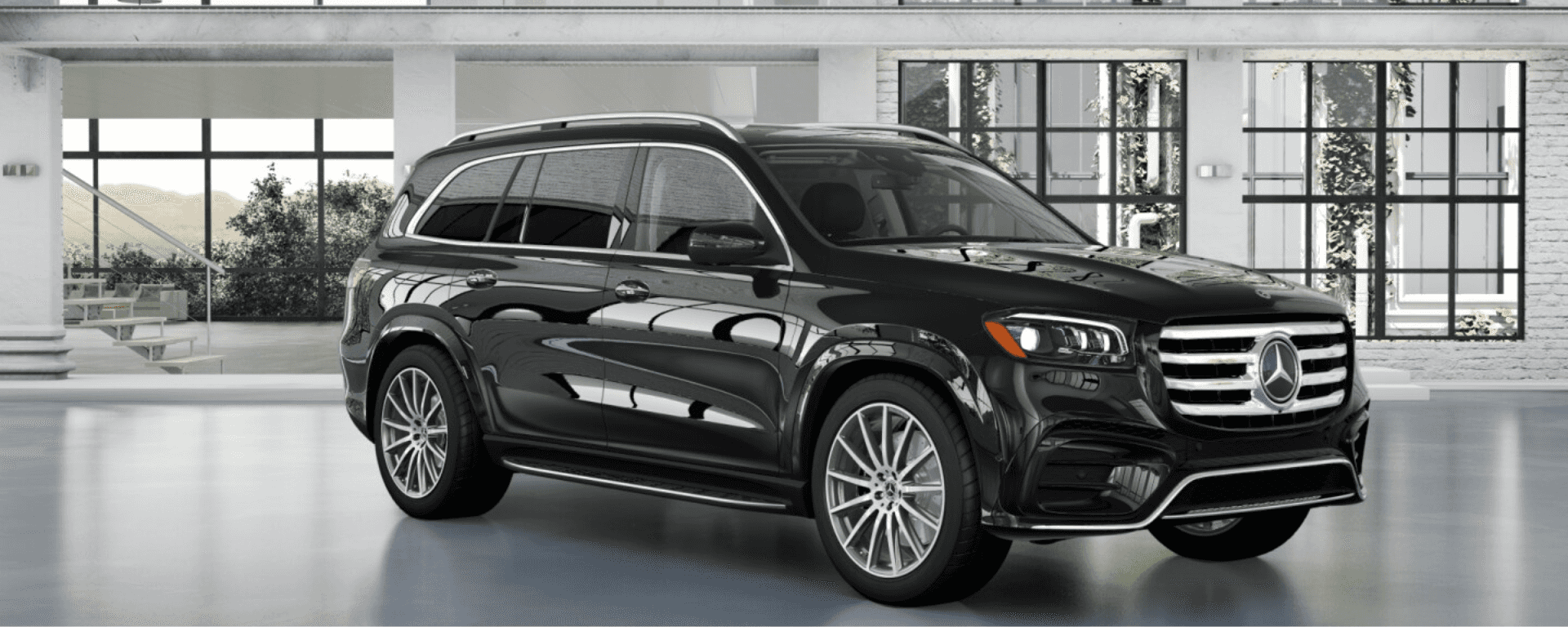
Mercedes-Benz 4MATIC® is the brand’s family of all-wheel-drive systems. Depending on the vehicle, 4MATIC can continuously power all four wheels or automatically vary how power is distributed as driving conditions change.
For drivers in Grand Blanc, Flint, and throughout Genesee County, 4MATIC can be especially relevant when comparing Mercedes-Benz vehicles for Michigan rain, snow, changing road surfaces, and year-round driving.
Not every 4MATIC system operates in exactly the same way. Mercedes-Benz uses different drivetrain layouts and operating strategies depending on the vehicle, powertrain, and performance requirements.
4MATIC® AWD
Mercedes-Benz all-wheel drive is designed to help manage available traction by delivering power through all four wheels.
Variable 4MATIC®
On applicable vehicles, the system can vary power distribution between the axles according to driving conditions and vehicle demands.
Permanent 4MATIC®
Permanent systems continuously send power through all four wheels using a drivetrain configuration designed for that vehicle.
AMG 4MATIC+
Mercedes-AMG uses specialized versions of all-wheel drive developed around performance, traction, and responsive driving dynamics.
What Is Mercedes-Benz 4MATIC®?
4MATIC® is the Mercedes-Benz name for its all-wheel-drive technology. Unlike a vehicle that sends engine power primarily through one axle, a 4MATIC-equipped vehicle is designed to use all four wheels to help deliver power to the road.
The goal is to help the vehicle make effective use of available traction during acceleration and changing driving conditions.
4MATIC® at a Glance
- Mercedes-Benz all-wheel-drive technology
- Designed to support traction and power delivery
- Available across multiple Mercedes-Benz vehicle families
- Can use permanent or variable drivetrain designs
- Works with electronic traction and stability systems
- Specialized versions are available within the Mercedes-AMG lineup
How Does Mercedes-Benz 4MATIC® Work?
The exact operation depends on the vehicle. Mercedes-Benz uses drivetrain hardware, sensors, traction-control technology, and vehicle stability systems to manage power delivery.
Vehicle systems can monitor information such as wheel speed, steering input, acceleration, braking, and vehicle movement. The drivetrain can then respond according to the system design and available traction.
One important advantage is that the process is automatic. Drivers generally do not need to manually engage the all-wheel-drive system when road conditions change.
What Is Variable 4MATIC®?
Variable 4MATIC is designed to adjust how power is distributed according to driving conditions.
On certain Mercedes-Benz vehicles, the drivetrain can operate primarily through one axle during appropriate conditions and then direct additional power to the other axle when more traction is needed.
This allows the system to balance all-wheel-drive capability with the operating characteristics and efficiency goals of the specific vehicle.
What Is Permanent 4MATIC®?
Permanent 4MATIC uses an all-wheel-drive configuration in which power is continuously delivered through both axles.
The exact front-to-rear torque distribution and mechanical design vary by vehicle. That is why it is important to review the specifications for the particular Mercedes-Benz model you are researching rather than assuming every 4MATIC system uses the same configuration.
Not Every 4MATIC® System Is Identical
The drivetrain design, torque distribution, powertrain, drive programs, and operating strategy can vary significantly between Mercedes-Benz models.
Always confirm the specifications of the individual vehicle when comparing all-wheel-drive systems.
What Is Mercedes-Benz 4-ETS?
Mercedes-Benz 4-wheel Electronic Traction System, commonly called 4-ETS, works with the vehicle’s drivetrain and braking systems to respond when wheelspin is detected.
If a wheel begins to lose traction, the system can apply braking force to that wheel to help usable torque reach a wheel with greater available grip.
Detects Wheelspin
Electronic vehicle systems monitor wheel movement and can recognize when a driven wheel begins to lose traction.
Applies Braking
The system can apply braking force to the wheel that is slipping.
Uses Available Grip
This helps the drivetrain make better use of traction available at the other wheels.
4-ETS cannot create traction when the tires have no usable grip. Tires, road conditions, vehicle speed, and driver inputs remain important.
Is Mercedes-Benz 4MATIC® Good in Snow?
4MATIC can help a Mercedes-Benz use available traction when accelerating on snowy or slippery surfaces because power can be delivered through all four wheels rather than relying on a single driven axle.
That can be useful during Michigan winters when roads may include:
- Fresh or packed snow
- Slushy intersections
- Icy parking areas
- Wet pavement near freezing temperatures
- Changing highway conditions
- Partially cleared neighborhood roads
However, all-wheel drive does not remove the normal limitations of driving on snow and ice.
4MATIC® Does Not Replace Winter Tires
All-wheel drive can help a vehicle accelerate using available traction, but the tires remain the vehicle’s point of contact with the road.
Stopping, steering, and cornering performance continue to depend heavily on tire condition, tire type, road surface, speed, visibility, and driver input.
Does 4MATIC® Help With Braking?
4MATIC is primarily designed around traction and power delivery. It does not shorten every stopping distance simply because the vehicle has all-wheel drive.
Braking performance continues to depend on factors such as:
- Tire grip
- Brake condition
- Vehicle speed
- Road surface
- Weather conditions
- Following distance
This distinction is especially important in winter. A vehicle may accelerate with greater confidence on a slippery road while still requiring considerable distance to stop.
Does Mercedes-Benz 4MATIC® Help in Rain?
Wet pavement can reduce traction during acceleration and changes in direction. A 4MATIC system can help manage how power is delivered when available grip changes.
However, all-wheel drive cannot prevent hydroplaning. Tire tread, tire pressure, water depth, vehicle speed, and road conditions all influence whether the tires remain in contact with the pavement.
Does 4MATIC® Help on Dry Roads?
4MATIC is not limited to snow or rain. Mercedes-Benz also uses all-wheel-drive technology to support power delivery, handling, acceleration, and stability on dry pavement.
The driving character can vary substantially by model. A Mercedes-Benz luxury sedan may use 4MATIC with an emphasis on smooth and composed power delivery, while a Mercedes-AMG vehicle may use a performance-focused version designed around greater responsiveness.
What Is Mercedes-AMG 4MATIC+?
Mercedes-AMG uses performance-oriented versions of Mercedes-Benz all-wheel-drive technology.
AMG Performance 4MATIC and 4MATIC+ systems are calibrated around the higher performance requirements of Mercedes-AMG vehicles. On applicable AMG 4MATIC+ systems, torque distribution can vary continuously according to vehicle demands.
What Does AMG Mean?
Learn more about Mercedes-AMG and the history behind the AMG name.
4MATIC® vs. Front-Wheel Drive vs. Rear-Wheel Drive
Front-Wheel Drive
Engine power is delivered primarily through the front wheels. This drivetrain layout is used on selected vehicle configurations.
Rear-Wheel Drive
Engine power is delivered through the rear wheels. Mercedes-Benz uses rear-wheel-drive layouts in vehicles designed around particular combinations of refinement and handling.
4MATIC® All-Wheel Drive
Power can be delivered through all four wheels using a permanent or variable system depending on the vehicle.
There is no single drivetrain that is automatically best for every driver. Climate, road conditions, performance preferences, efficiency considerations, vehicle use, and available equipment should all be considered.
Which Mercedes-Benz Models Offer 4MATIC®?
4MATIC all-wheel drive is available across a broad range of Mercedes-Benz vehicles. Availability varies by model, powertrain, configuration, and model year.
Drivers may encounter 4MATIC within Mercedes-Benz:
- SUVs
- Sedans
- Coupes
- Wagons
- Electrified vehicles
- Mercedes-AMG performance vehicles
The most reliable way to determine whether a specific vehicle has 4MATIC is to review its complete model designation and individual vehicle equipment.
Comparing Mercedes-Benz SUVs?
See how two popular Mercedes-Benz SUV choices compare in passenger space, size, technology, and available all-wheel drive.
Does Every Mercedes-Benz SUV Have 4MATIC®?
No. Drivetrain availability depends on the model and configuration.
Some Mercedes-Benz vehicle families may offer multiple drivetrain choices, while others include all-wheel drive more broadly across their available configurations.
If 4MATIC is important to you, confirm the drivetrain listed for the specific vehicle rather than relying only on the broader model name.
Is 4MATIC® Worth Considering in Michigan?
For many Grand Blanc and Flint-area drivers, Michigan weather is one reason to consider an all-wheel-drive Mercedes-Benz.
Before choosing a drivetrain, consider how and where you actually drive.
Winter Commutes
Consider how often you travel before neighborhood streets or secondary roads have been completely cleared.
Highway Driving
Changing snow, slush, rain, and pavement conditions can all influence available traction during Michigan travel.
Tire Needs
Consider tire type, tread depth, condition, and seasonal suitability together with drivetrain configuration.
Driving Preferences
Some drivers may prefer the power delivery and driving characteristics of an all-wheel-drive configuration throughout the year.
Mercedes-Benz 4MATIC® and SUV Shopping
Drivers comparing Mercedes-Benz SUVs often evaluate 4MATIC alongside passenger space, cargo flexibility, technology, powertrain choices, and vehicle size.
If you are still deciding which Mercedes-Benz SUV better fits your household, our family SUV guide provides another useful starting point.
Find the Right Mercedes-Benz SUV
Compare Mercedes-Benz SUV choices for passenger space, everyday driving, and family needs.
How Should a 4MATIC® Mercedes-Benz Be Maintained?
A Mercedes-Benz equipped with 4MATIC should be maintained according to the requirements for the specific model and powertrain.
Tire maintenance is particularly important on an all-wheel-drive vehicle. Tire pressure, tread condition, alignment, and unusual wear should be monitored because the tires directly affect how effectively the vehicle can use available traction.
Owners should also have unusual vibrations, pulling, warning messages, drivetrain concerns, or changes in vehicle behavior inspected.
Mercedes-Benz Service in Grand Blanc
Our Mercedes-Benz service team can help with tire care, scheduled maintenance, drivetrain concerns, and other vehicle service needs.
Explore Mercedes-Benz 4MATIC® Vehicles in Grand Blanc
Mercedes-Benz of Grand Blanc serves drivers from Grand Blanc, Flint, Fenton, Davison, Burton, Swartz Creek, Holly, and communities throughout Genesee County.
Current inventory may include Mercedes-Benz sedans, SUVs, and performance vehicles equipped with different forms of 4MATIC all-wheel drive.
Browse New Mercedes-Benz Vehicles
Review current Mercedes-Benz inventory and confirm drivetrain equipment on individual vehicles.
Contact Mercedes-Benz of Grand Blanc
Have questions about 4MATIC or a particular Mercedes-Benz model? Contact our dealership team.
Frequently Asked Questions About Mercedes-Benz 4MATIC®
What is Mercedes-Benz 4MATIC®?
4MATIC is the Mercedes-Benz family of all-wheel-drive systems. Depending on the vehicle, it can use permanent or variable power distribution to help manage traction and power delivery.
How does Mercedes-Benz 4MATIC® work?
Mercedes-Benz uses drivetrain hardware, vehicle sensors, traction-control technology, and stability systems to manage power delivery. The exact operation depends on the individual vehicle and 4MATIC system.
Is Mercedes-Benz 4MATIC® good in snow?
4MATIC can help the vehicle use available traction when accelerating in snow and other slippery conditions. Suitable tires, careful driving, proper speed, and adequate stopping distance remain important.
Does 4MATIC® help with braking?
All-wheel drive primarily affects power delivery and traction. Braking remains heavily dependent on tire grip, brake condition, vehicle speed, road surface, and driver input.
Does Mercedes-Benz 4MATIC® help in rain?
4MATIC can help manage power delivery when wet pavement reduces available grip. It cannot prevent hydroplaning.
What is Mercedes-Benz 4-ETS?
4-ETS is the Mercedes-Benz 4-wheel Electronic Traction System. It can apply braking force to a slipping wheel to help the drivetrain make use of traction available at other wheels.
What is the difference between 4MATIC and 4MATIC+?
4MATIC refers to Mercedes-Benz all-wheel-drive systems more broadly. 4MATIC+ is used within certain Mercedes-AMG applications and can continuously vary torque distribution according to vehicle demands.
Does every Mercedes-Benz have the same 4MATIC system?
No. Mercedes-Benz uses different permanent, variable, electrified, and performance-oriented all-wheel-drive configurations depending on the model and powertrain.
Does every Mercedes-Benz SUV have 4MATIC®?
No. Availability varies by model, powertrain, trim, and configuration. Confirm the drivetrain specification for the individual vehicle you are considering.
Where can I find Mercedes-Benz 4MATIC vehicles near Flint, Michigan?
Mercedes-Benz of Grand Blanc serves drivers from Flint, Grand Blanc, and throughout Genesee County. Current Mercedes-Benz inventory can be reviewed online to identify vehicles equipped with 4MATIC all-wheel drive.
4MATIC® operation, torque distribution, drivetrain design, equipment, and availability vary by Mercedes-Benz model, powertrain, configuration, and model year. All-wheel drive does not eliminate the need for suitable tires or responsible driving. For additional technical information, review the official Mercedes-Benz USA 4MATIC® guide.
0 comment(s) so far on What Is Mercedes-Benz 4MATIC®? AWD Technology Explained