
Mercedes-Benz Sprinter 144 vs. 170 Wheelbase: Which Fits Your Michigan Business?
Selecting the right Mercedes-Benz Sprinter Cargo Van involves more than choosing an engine or equipment package. Wheelbase affects the van’s overall length, usable cargo floor, turning requirements, parking access, and suitability for a commercial upfit.
The 144-inch wheelbase may be a practical choice for businesses that prioritize maneuverability and a more compact exterior. The 170-inch wheelbase provides substantially more cargo-floor length and overall cargo volume for companies that regularly transport larger equipment, materials, or delivery loads.
This guide compares 2026 Mercedes-Benz Sprinter Cargo Van 2500 high-roof configurations with 144-inch and 170-inch wheelbases. Specifications can vary according to vehicle class, roof height, powertrain, drivetrain, equipment, and individual configuration.

Mercedes-Benz Sprinter models are offered in multiple configurations to support different passenger, cargo, and commercial needs.
Sprinter 144 vs. 170 Wheelbase: The Quick Comparison
The 144-inch Sprinter is the shorter and more maneuverable option. It may be easier to use on routes with tighter parking areas, narrow loading zones, residential streets, or limited space around a job site.
The 170-inch Sprinter provides a longer cargo floor and more total cargo volume. It may be better suited for businesses that need permanent shelving, organized equipment storage, longer materials, larger delivery loads, or more room for a specialized upfit.
Important Comparison Note
The figures below compare high-roof Sprinter Cargo Van 2500 configurations. Payload, towing capacity, exterior height, drivetrain, and other specifications can change with vehicle class, engine, equipment, and configuration. Confirm the specifications of the individual van before making a business or upfit decision.
2026 Sprinter 144-Inch vs. 170-Inch High-Roof Cargo Van
Sprinter 144-Inch Wheelbase
Overall length: 234 inches
Wheelbase: 144 inches
Cargo volume: Up to 374 cubic feet in the compared high-roof configuration
Cargo-bed length: Approximately 133 inches
Standing height: Approximately 79 inches
Turning diameter: Approximately 45 feet curb to curb
- Shorter overall exterior length
- Smaller turning requirement
- Useful cargo volume for tools and deliveries
- Available in multiple classes and powertrain configurations
- May be easier to position in tighter work areas
May be best suited for: Service businesses, urban delivery routes, contractors with moderate equipment needs, and companies that regularly work in tighter parking or loading environments.
Sprinter 170-Inch Wheelbase
Overall length: 274 inches
Wheelbase: 170 inches
Cargo volume: Up to 488 cubic feet in the compared high-roof configuration
Cargo-bed length: Approximately 174 inches
Standing height: Approximately 79 inches
Turning diameter: Approximately 52 feet curb to curb
- Approximately 40 inches more overall length
- Approximately 41 inches more cargo-bed length
- Approximately 114 cubic feet of additional cargo volume
- More room for shelving, partitions, and equipment
- Greater space for bulky or longer cargo
May be best suited for: High-volume delivery operations, contractors with larger equipment inventories, mobile workshops, and businesses planning a more extensive commercial upfit.
Figures shown are based on official 2026 Mercedes-Benz Sprinter Cargo Van 2500 high-roof specifications. Vehicle measurements and capacities vary by class, powertrain, drivetrain, roof height, equipment, and configuration.
How Much More Space Does the 170-Inch Sprinter Provide?
In the high-roof Cargo Van 2500 configurations compared here, the 170-inch Sprinter provides approximately 488 cubic feet of cargo volume. The 144-inch configuration provides approximately 374 cubic feet.
That represents about 114 cubic feet of additional cargo volume in the longer van. The cargo-bed length also increases from approximately 133 inches in the 144-inch model to approximately 174 inches in the 170-inch model.
The additional space may allow a business to carry longer materials, install more shelving, create separate work and storage areas, or reduce the need to unload equipment between appointments. However, additional room only creates value when the business can use it efficiently.
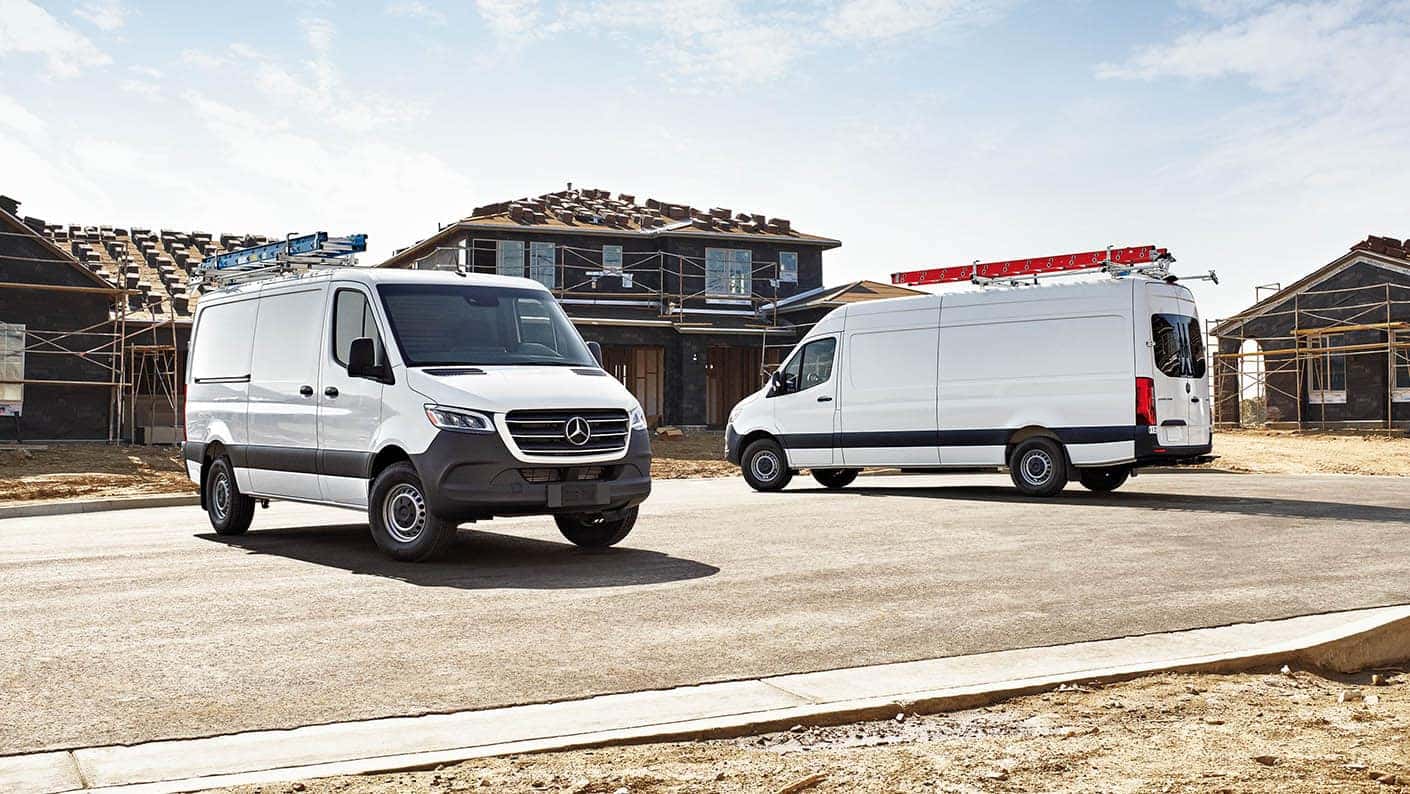
Sprinter configuration choices affect overall length, cargo space, maneuverability, and upfit planning.
More Cargo Space Is Not Always the Only Priority
A longer cargo area can be valuable, but businesses should also consider how frequently the van will travel with a full load. Purchasing more space than the operation regularly needs may add unnecessary exterior length to daily routes and parking situations.
Measure the longest equipment, shelving, containers, materials, and packaged products the van will carry. It is also helpful to consider how employees will move through the cargo area and whether equipment must remain accessible without unloading other items.
Which Sprinter Is Easier to Maneuver?
The 144-inch wheelbase has the advantage when exterior size and turning space are major concerns. The compared high-roof model is 234 inches long and has an approximate 45-foot curb-to-curb turning diameter.
The 170-inch model is 274 inches long with an approximate 52-foot curb-to-curb turning diameter. Drivers should expect the longer van to require more space when turning, parking, backing into loading areas, and navigating confined job sites.
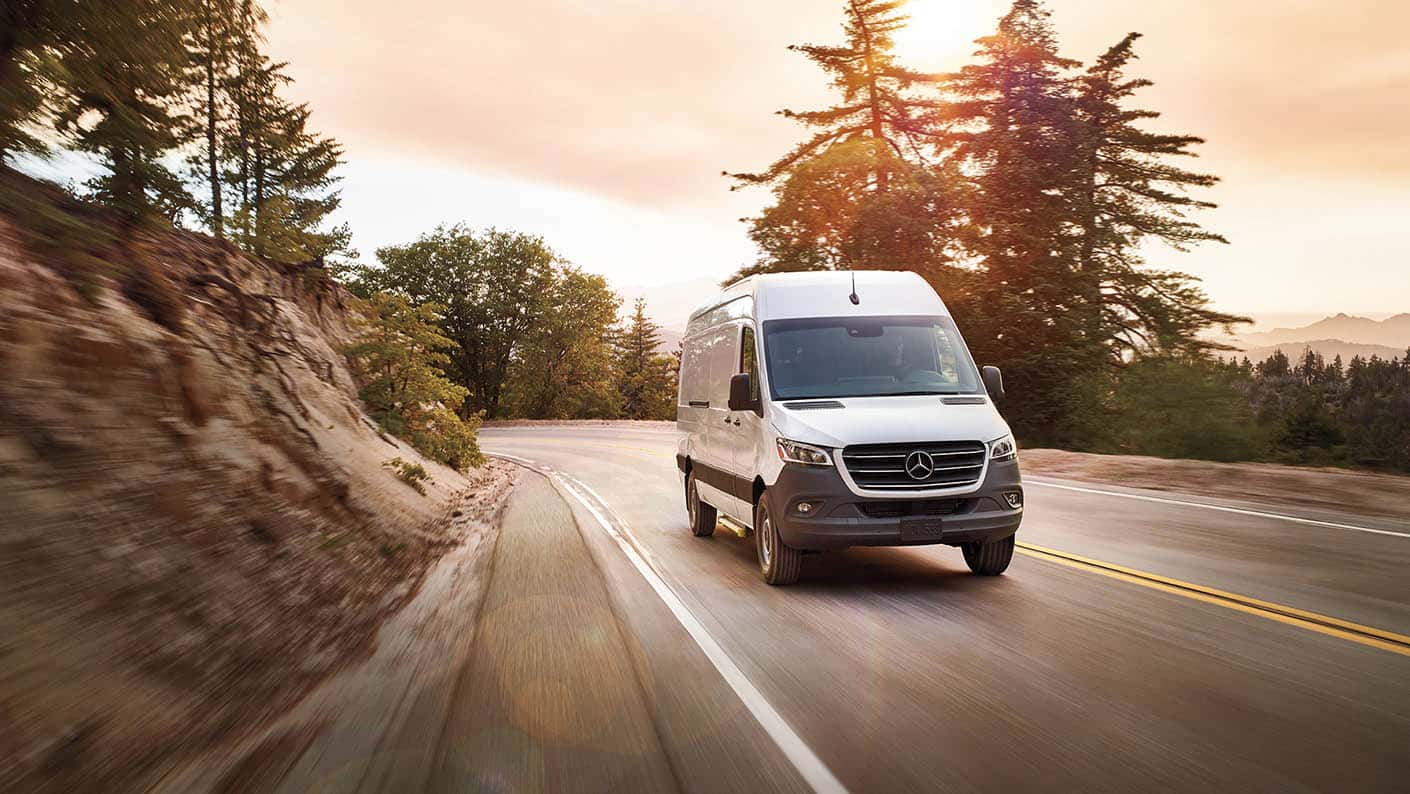
Route conditions, parking access, turning space, and daily mileage should be considered alongside cargo capacity.
Consider the Van’s Daily Route
The shorter wheelbase may be useful when a route includes residential driveways, urban streets, parking structures, alleys, compact customer lots, or frequent stops. It may also be easier for employees who are transitioning from a pickup truck or smaller commercial van.
The longer wheelbase may still work well for highway travel, planned commercial routes, industrial areas, and job sites with adequate access. The right choice depends on where the van will operate most often, not only how much room is available inside.
How Should an Upfit Affect Your Wheelbase Decision?
An upfit can transform a Sprinter into a mobile workshop, delivery vehicle, utility van, equipment hauler, or specialized service vehicle. The planned layout should be considered before selecting a wheelbase.
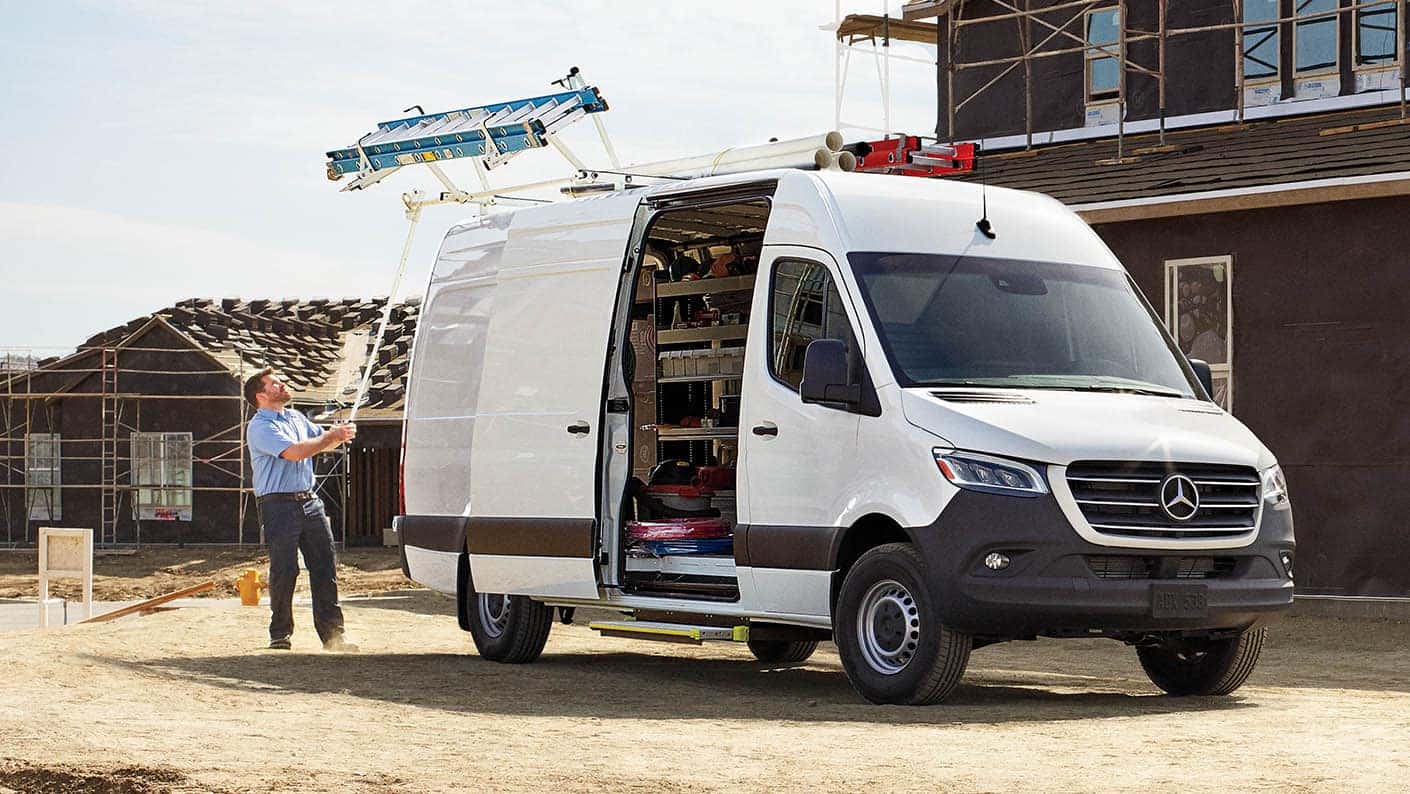
Equipment storage, shelving, loading access, and upfit requirements can influence which Sprinter wheelbase is appropriate for a business.
The 144-Inch Wheelbase May Support
- Compact shelving systems
- Mobile repair or maintenance equipment
- Local delivery operations
- Electrical, plumbing, or HVAC service routes
- Tools that must remain accessible throughout the day
- Businesses with limited parking or garage space
The 170-Inch Wheelbase May Support
- Longer shelving and storage systems
- Separate equipment and workspace zones
- Bulk delivery operations
- Long construction materials
- Larger mobile-service installations
- Operations that carry tools, parts, and replacement equipment together
Before approving an upfit, confirm its weight, placement, mounting requirements, electrical needs, ventilation, access points, and effect on available payload. The weight of shelving, partitions, generators, tanks, tools, and other installed equipment reduces the capacity available for passengers and cargo.
Plan the Upfit Before Ordering the Van
Provide the upfitter with a complete equipment list and an estimate of the cargo normally carried. The upfitter and vehicle specialist can then help determine whether the selected wheelbase, roof height, vehicle class, drivetrain, and payload capacity support the intended use.
Does Wheelbase Determine Payload?
Wheelbase alone does not determine how much weight a Sprinter can carry. Payload varies by vehicle class, drivetrain, engine, roof height, installed equipment, curb weight, and individual configuration.
A shorter van may have more or less available payload than a longer van depending on how each vehicle is configured. The payload figure listed for the specific vehicle should be reviewed rather than assuming the longer model can always carry more weight.
The final operating load should account for:
- Driver and passengers
- Tools and daily equipment
- Shelving, partitions, and interior flooring
- Generators, tanks, compressors, or refrigeration equipment
- Hitch or towing equipment
- Parts, packages, inventory, or building materials
- Accessories added after delivery
Businesses should confirm the completed vehicle’s weight and capacity after an upfit is installed.
What About the Sprinter 170-Inch Extended Model?
The standard 170-inch Sprinter and the 170-inch Extended Sprinter are not the same configuration. Both use a 170-inch wheelbase, but the Extended model adds rear body length behind the rear axle.
The Extended configuration may provide additional cargo volume, but it also creates a longer overall vehicle and additional rear overhang. Businesses considering an Extended model should evaluate loading practices, turning areas, departure clearance, parking space, and the distribution of cargo inside the van.
A search for a 170-inch Sprinter should therefore include a second question: standard body or Extended body?
Roof Height Is Another Important Decision
Wheelbase determines the distance between the axles, while roof height affects interior standing room and exterior clearance. A high-roof Sprinter may allow many workers to stand inside the cargo area, which can make loading, equipment access, and mobile work more comfortable.
The added height also requires attention to garage doors, drive-through clearance, parking structures, tree branches, loading docks, and indoor service areas. Businesses should measure both vertical and horizontal clearance at their regular destinations.
Which Sprinter Fits Different Types of Michigan Businesses?
Service and Repair Businesses
A 144-inch wheelbase may provide enough room for organized shelving and tools while remaining easier to position at homes, offices, and smaller customer properties.
Contractors and Construction Companies
A 170-inch wheelbase may provide additional space for longer materials, larger tool inventories, and a more extensive interior storage system.
Delivery Operations
The appropriate wheelbase depends on package size, delivery density, route conditions, loading method, and how often the van reaches its practical cargo limit.
Mobile Workshops
The 170-inch configuration may offer more room for a permanent workspace, while the 144-inch model may be easier to operate when the business travels to confined customer locations.

Sprinter configurations can support contractors, delivery operations, mobile services, and other commercial applications.
Questions to Answer Before Choosing a Wheelbase
Before selecting a Sprinter, create a realistic picture of how the van will operate throughout a normal workweek.
- What is the longest item the van must carry?
- How much equipment remains in the van every day?
- Will shelving or a partition be installed?
- Does the business need standing room?
- How many stops are made during an average route?
- Will drivers regularly use residential streets or confined parking areas?
- Does the van need to fit inside an existing garage or service building?
- How much payload remains after the proposed upfit?
- Will the business tow a trailer?
- Could the operation need more storage space in the next several years?
These questions often provide a clearer answer than choosing the largest van automatically.
Comparing Sprinter Vans Near Flint and Grand Blanc
Businesses throughout Grand Blanc, Flint, Burton, Davison, Fenton, Swartz Creek, Holly, Lapeer, and the surrounding Michigan market may have very different commercial-vehicle requirements.
A contractor traveling between residential job sites may prioritize turning space and easy access to tools. A regional delivery operation may place greater value on cargo volume. A mobile-service company may need enough floor length for a permanent workbench, equipment storage, and replacement parts.
Mercedes-Benz of Grand Blanc offers access to available Mercedes-Benz Sprinter vans in multiple configurations. Because commercial inventory changes, contact the dealership to confirm available wheelbases, roof heights, vehicle classes, drivetrains, and equipment.
Business owners replacing an existing work vehicle can also request a trade-in value or review available options through the Mercedes-Benz finance center.
Find the Right Sprinter Configuration for Your Business
The appropriate Sprinter should support the cargo you carry, the routes you drive, the upfit you plan, and the space available at your business and customer locations.
Contact Mercedes-Benz of Grand Blanc to discuss available Sprinter configurations and compare the practical differences between the 144-inch and 170-inch wheelbases.
Frequently Asked Questions
What is the main difference between a Sprinter 144-inch and 170-inch wheelbase?
The 170-inch Sprinter is longer and provides more cargo-floor length and cargo volume. The 144-inch Sprinter has a shorter exterior and smaller turning requirement, which may make it easier to maneuver and park.
How much longer is the 170-inch Sprinter?
In the 2026 high-roof Cargo Van 2500 configurations compared here, the 170-inch model is approximately 274 inches long and the 144-inch model is approximately 234 inches long. That is a difference of about 40 inches in overall vehicle length.
How much more cargo space does the 170-inch Sprinter have?
The compared 170-inch high-roof Cargo Van provides approximately 488 cubic feet of cargo volume, while the comparable 144-inch model provides approximately 374 cubic feet. That is a difference of approximately 114 cubic feet.
Is the 144-inch Sprinter easier to drive?
The 144-inch model’s shorter overall length and smaller turning diameter may make it easier to maneuver in tight parking areas, residential streets, compact loading zones, and confined job sites. Drivers should test both sizes when possible.
Does the 170-inch Sprinter carry more payload?
Not necessarily. Payload depends on vehicle class, powertrain, drivetrain, roof height, equipment, curb weight, and other configuration details. Review the payload specification for the individual van rather than comparing wheelbase alone.
Is a 170-inch Sprinter the same as a 170-inch Extended Sprinter?
No. Both use a 170-inch wheelbase, but the Extended model has additional body length behind the rear axle. This creates more cargo room and a longer overall vehicle.
Which Sprinter wheelbase is better for contractors?
The answer depends on the contractor’s equipment and work locations. A 144-inch Sprinter may suit businesses that need easier maneuverability, while a 170-inch model may be a better fit for longer materials, more shelving, or a larger mobile workspace.
Where can I compare Sprinter vans near Flint, Michigan?
Mercedes-Benz of Grand Blanc serves commercial-vehicle shoppers from Flint, Grand Blanc, and throughout Genesee County. Contact the dealership to confirm current Sprinter inventory and available configurations.
Specifications are based on official Mercedes-Benz Vans information available for 2026 Sprinter Cargo Van configurations and are subject to change. Cargo volume, dimensions, payload, towing capability, drivetrain, seating, and equipment vary by model, class, roof height, powertrain, options, and individual vehicle. Upfits, passengers, cargo, equipment, and accessories affect available payload and vehicle operation. Confirm the specifications of the individual vehicle and consult the upfit provider before purchase or modification. Review additional information on the official Mercedes-Benz Sprinter Cargo Van page.
0 comment(s) so far on Mercedes-Benz Sprinter 144 vs. 170 Wheelbase: Which Fits Your Michigan Business?