
Mercedes-Benz Summer Road-Trip Checklist for Michigan Drivers
A summer road trip can place different demands on a vehicle than a typical commute. Extended highway travel, changing weather, additional passengers, luggage, and long periods of climate-control use make pre-trip preparation especially important.
A Mercedes-Benz road-trip checklist cannot guarantee that a mechanical issue will not occur, but it can help owners identify maintenance needs before leaving Grand Blanc, Flint, or another Michigan community for an extended drive.
Begin by reviewing any maintenance reminders or warning messages displayed by the vehicle. If Service A, Service B, or another scheduled service is due, complete that maintenance before relying on a separate pre-trip inspection.
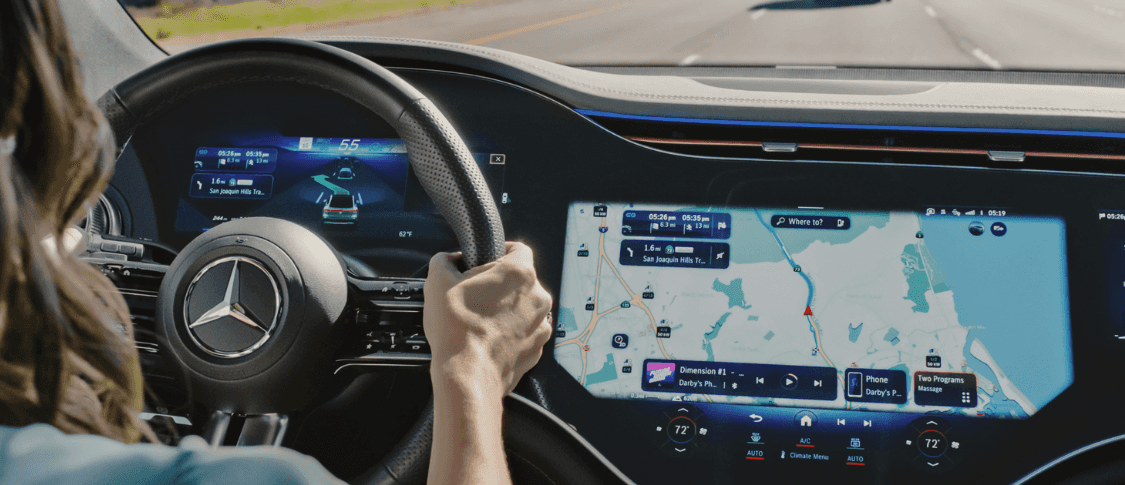
Reviewing essential vehicle systems before departure can help identify maintenance concerns before a long summer drive.
Mercedes-Benz Road-Trip Checklist at a Glance
Before leaving on an extended trip, review the following areas or ask a qualified service professional to inspect them:
Tires and Wheels
Check tire pressure, tread depth, visible damage, unusual wear, and any vibration or alignment concerns.
Brakes
Address warning lights, unusual noises, vibration, pulling, or changes in pedal response before departure.
Battery and Starting
Have slow starting, electrical warnings, or a battery with uncertain condition evaluated before extended travel.
Fluids and Cooling
Review applicable fluid levels and investigate leaks, warning messages, overheating, or unusual odors.
Climate and Visibility
Test the air conditioning, cabin airflow, exterior lighting, wipers, and windshield-washer system.
Roadside Planning
Keep important contact information available and confirm which roadside services apply to your vehicle.
Scheduled Maintenance Comes First
A road-trip review does not replace Service A, Service B, or other model-specific maintenance. Check the vehicle’s maintenance display and owner information before departure. Our guide to Mercedes-Benz Service A and Service B explains the general differences between those scheduled visits.
Inspect the Tires Before Highway Travel
Tires affect acceleration, steering, braking, ride quality, and the vehicle’s ability to respond in rain. Highway speeds and a fully loaded vehicle can make existing tire problems more noticeable.
Check tire pressure when the tires are cold and use the recommended values provided for the vehicle. Do not use the maximum pressure printed on the tire sidewall as the vehicle’s normal inflation target.
A pre-trip tire review should include:
- Inflation pressure on all installed tires
- Tread depth and evenness of wear
- Cuts, cracks, punctures, bulges, or exposed material
- Signs of alignment problems
- Persistent pressure loss
- Vibration at city or highway speeds
- The condition of a spare tire or mobility kit, when equipped

Tire pressure, tread condition, visible damage, and unusual wear should be reviewed before extended highway travel.
Michigan summer weather can change quickly, and worn tires may have greater difficulty clearing water from wet pavement. All-wheel drive, traction control, and driver-assistance systems cannot replace adequate tire grip.
If the vehicle pulls to one side, the steering wheel appears off-center, or the tires show uneven wear, ask whether an alignment inspection is appropriate before the trip.
Pay Attention to Brake Warning Signs
A road trip may involve highway traffic, construction zones, steep exits, sudden congestion, and repeated braking. Have brake concerns evaluated before traveling rather than waiting for them to become more noticeable on the road.
Contact a service professional if you notice:
- A brake or ABS warning light
- Squealing, scraping, grinding, or clicking sounds
- Vibration while braking
- A change in brake-pedal feel
- The vehicle pulling during braking
- A longer stopping distance
- A burning odor after normal driving
Brake pads and rotors are replaced according to their condition and vehicle requirements. A visual inspection alone may not identify every possible concern, so symptoms should be evaluated by a qualified technician.
Check the Battery and Electrical System
Summer heat can be demanding on a vehicle’s 12-volt battery and electrical system. A battery may appear to operate normally until extended heat, frequent stops, or an overnight stay reveals that its available capacity has declined.
Ask for an inspection when you notice slow starting, dim lighting, repeated electrical warnings, or an unknown battery-service history.
Drivers should also confirm that charging cables and adapters are packed when traveling in an electric or plug-in hybrid vehicle. Charging plans should account for the route, temperature, expected traffic, and the availability of charging locations.
Do Not Ignore a Warning Message
A dashboard or multimedia-system warning should be reviewed before departure. Clearing or dismissing a message does not address the condition that caused it.
Review Fluids and Cooling-System Concerns
Applicable fluids may include engine oil, coolant, brake fluid, windshield-washer fluid, and other model-specific fluids. The correct inspection and service requirements vary by vehicle and powertrain.
Before a trip:
- Check for visible fluid beneath the parked vehicle
- Review warning messages and maintenance reminders
- Confirm that windshield-washer fluid is available
- Address overheating, temperature warnings, or unusual odors
- Have unexplained low-fluid conditions inspected
Do not open a hot or pressurized cooling system. Hot coolant and steam can cause serious injury. Follow the vehicle’s owner information and allow a trained professional to inspect a suspected cooling-system concern.
Repeatedly adding fluid without identifying why the level is low can hide a developing problem. A technician can help determine whether the condition reflects normal maintenance, a leak, or another repair need.
Test the Air Conditioning and Cabin Airflow
Climate-control performance is important during a long summer drive, particularly when traveling with children, older passengers, or pets.
Before departure, operate the system long enough to confirm that:
- Cool air reaches the cabin
- Airflow is consistent from the selected vents
- The fan operates through its available settings
- Unusual odors or noises are not present
- The windshield defogging function responds properly
Reduced airflow may be related to a cabin filter, system setting, blocked vent, or another climate-control concern. Cooling performance can also be affected by refrigerant or mechanical issues that require diagnosis.
A cabin filter replacement may be included with certain scheduled services or may follow a model-specific maintenance interval. Confirm the requirements for the individual vehicle rather than replacing parts solely because a trip is approaching.
Check Wipers, Washer Fluid, and Exterior Lights
Clear visibility matters during summer rain, early-morning travel, nighttime driving, and construction-zone conditions.
Inspect the windshield and wiper blades for damage or streaking. Confirm that the washer system operates and that the reservoir contains an appropriate fluid.
Walk around the vehicle and review:
- Headlamps
- Brake lamps
- Turn signals
- Parking lamps
- License-plate lighting
- Daytime running lamps
Some lighting systems may display a warning when a fault is detected, but a visual check remains useful before leaving.
Secure Passengers, Luggage, and Cargo
Additional passengers and luggage affect vehicle weight and may change acceleration, braking, handling, tire loading, and energy or fuel use.
Review the vehicle’s passenger and load information before packing. Do not exceed the applicable payload, axle, roof-load, or towing limits.
Keep Visibility Clear
Avoid stacking luggage where it blocks the rear window, mirrors, or driver sightlines.
Secure Loose Items
Use the vehicle’s cargo-management features so luggage and equipment do not shift during turns or sudden stops.
Check Roof Equipment
Confirm the approved load limit and installation requirements before using a roof box, bicycle rack, or other carrier.
Keep essential items accessible without unloading the entire vehicle. This may include medications, water, charging cables, identification, roadside information, and weather-appropriate clothing.
Prepare for Rain and Changing Michigan Conditions
Michigan summer travel can involve heavy rain, standing water, construction, temperature changes, and sudden traffic delays.
When conditions deteriorate:
- Reduce speed
- Increase following distance
- Avoid abrupt steering or braking
- Do not drive through water when its depth or road condition is uncertain
- Use exterior lighting as required
- Stop in a safe location when visibility becomes inadequate
Driver-assistance technology can provide useful alerts and support, but it does not replace attention, judgment, or control of the vehicle.
Plan Charging and Fuel Stops Before Departure
Review the expected route and identify appropriate stops before leaving. Do not rely on one fuel station or charging location without considering alternatives.
Electric-vehicle drivers should review estimated range, charging-station compatibility, charging speed, and potential changes caused by temperature, speed, elevation, traffic, or climate-control use.
Gasoline-vehicle drivers should avoid allowing the fuel level to become critically low, particularly in unfamiliar or rural areas where stations may be farther apart.
Know How to Request Mercedes-Benz Roadside Assistance
Mercedes-Benz Roadside Assistance may be reached by calling 1-800-367-6372 or through the Roadside Assistance function in the Mercedes-Benz app.
Before traveling, save the number and review the eligibility and service restrictions that apply to your vehicle. Included services, towing, possible charges, and eligibility can vary according to warranty status and the assistance requested.
When requesting help, be prepared to provide:
- Your name and contact number
- The vehicle identification number
- The vehicle’s year, model, and color
- Your location
- A description of the problem
Owners can also review the dealership’s Mercedes-Benz Roadside Assistance information before departure.
When Should You Schedule a Pre-Trip Service Visit?
Schedule service before traveling when:
- Scheduled maintenance is due or nearly due
- A warning message is displayed
- The vehicle has a fluid leak
- Tire pressure repeatedly decreases
- The brakes make noise or feel different
- The battery has shown signs of weakness
- The air conditioning is not cooling properly
- The vehicle vibrates, pulls, or makes an unusual sound
- You are uncertain about the vehicle’s recent maintenance history
Allow enough time before departure for inspection, diagnosis, parts availability, and any recommended repair. Scheduling service immediately before leaving may not provide enough time if an unexpected concern is discovered.
Mercedes-Benz Road-Trip Service Near Flint and Grand Blanc
Mercedes-Benz of Grand Blanc provides maintenance and repair support for owners throughout Grand Blanc, Flint, Fenton, Davison, Burton, Swartz Creek, Holly, Lapeer, and surrounding Michigan communities.
The Mercedes-Benz service center in Grand Blanc can help review scheduled maintenance, tire concerns, brake symptoms, warning messages, battery condition, and other vehicle-specific needs before a trip.
Prepare Your Mercedes-Benz for Summer Travel
Schedule your visit before departure so the service team has time to review your vehicle and discuss any identified maintenance or repair needs.
Frequently Asked Questions
Should I schedule service before a long road trip?
Schedule service when maintenance is due, a warning is displayed, the vehicle has a known concern, or its recent service history is uncertain. Allow enough time for diagnosis and repairs before departure.
What should I check on my Mercedes-Benz before traveling?
Review the tires, brakes, battery, applicable fluids, cooling system, climate control, wipers, exterior lights, warning messages, and scheduled maintenance status.
Does a pre-trip inspection replace Service A or Service B?
No. A pre-trip review does not replace scheduled Mercedes-Benz maintenance. Complete Service A, Service B, or other model-specific maintenance when it is due.
What tire pressure should I use for a road trip?
Use the vehicle manufacturer’s recommended pressure for the specific vehicle and load conditions. Do not use the maximum pressure printed on the tire sidewall as the normal inflation target.
Should I have the battery checked before summer travel?
A battery inspection may be appropriate when starting is slow, electrical warnings are present, the battery’s condition is unknown, or the vehicle has recently required a jump start.
How do I contact Mercedes-Benz Roadside Assistance?
Call 1-800-367-6372 or use the Roadside Assistance feature in the Mercedes-Benz app. Services, eligibility, restrictions, and possible charges vary, so review the current program information before traveling.
Where can I schedule Mercedes-Benz service near Flint?
Mercedes-Benz of Grand Blanc serves owners from Flint, Grand Blanc, and throughout Genesee County. Service appointments can be requested through the dealership’s online scheduler.
This checklist provides general educational guidance and does not replace the maintenance schedule, vehicle warnings, owner information, professional diagnosis, or model-specific recommendations for your Mercedes-Benz. An inspection cannot guarantee that a mechanical issue will not occur during travel. Roadside Assistance eligibility, included services, restrictions, and charges vary. Review current information through the official Mercedes-Benz service and maintenance resources and Mercedes-Benz Roadside Assistance.
0 comment(s) so far on Mercedes-Benz Summer Road-Trip Checklist for Michigan Drivers